

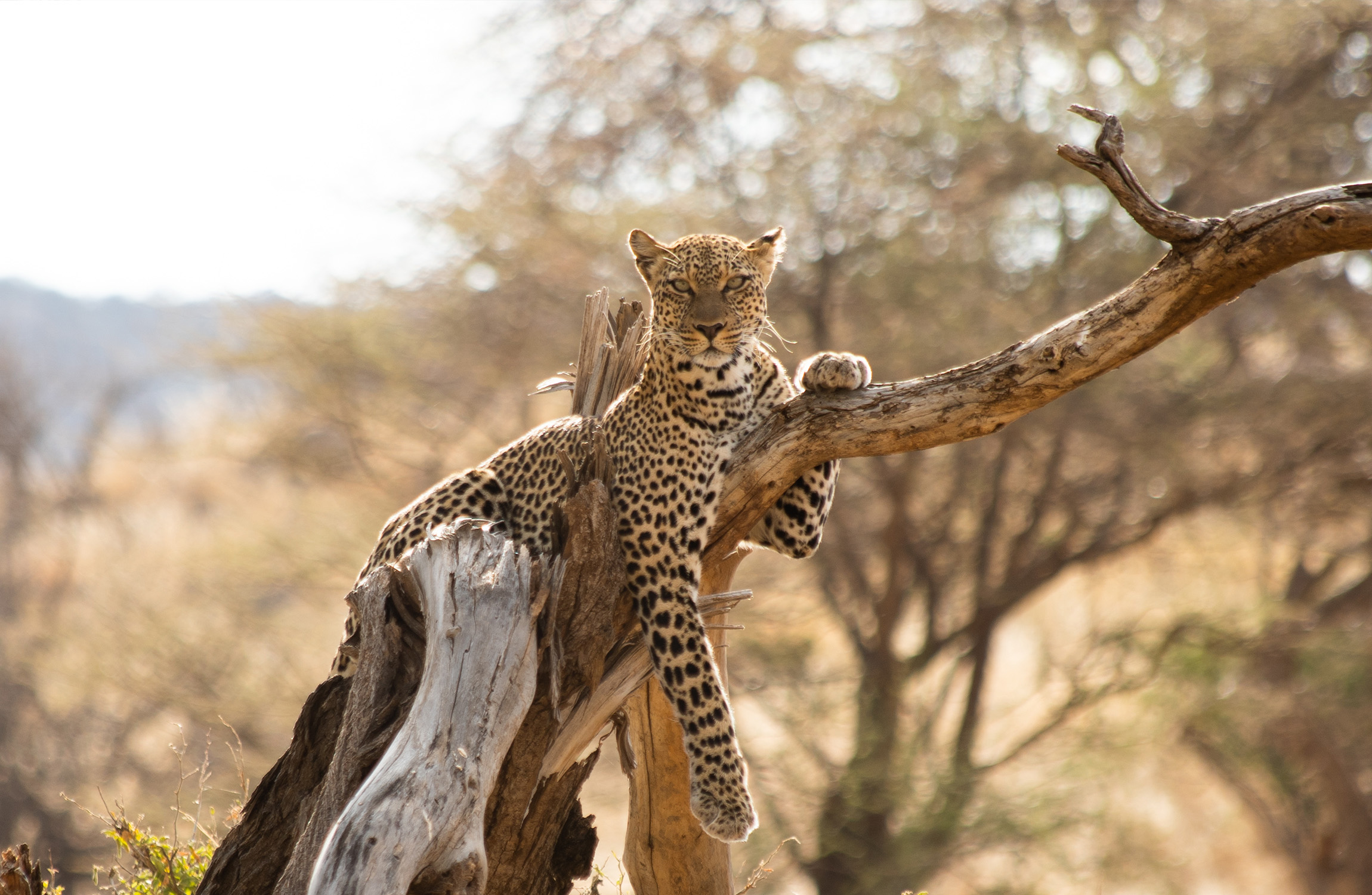
Private safari park or national park?
Two of the best ways to encounter African wildlife are to include either private safari parks or national parks in your African vacation itinerary. Both can deliver exciting animal viewing, but the experience is not exactly the same. In this blog, we take a look at some of the key differences.
Many of these differences come down to the ownership and purpose of these two different types of protected area. Private concessions – as their name suggests – are owned by lodges or conservation organizations, with the primary goal being the preservation or restoration of the ecosystem and the species that live in it. Wildlife reserves, on the other hand, are owned and managed by government entities. While national parks undoubtedly also have a conservation focus, they are also intended to make wilderness areas and wildlife more accessible.
Wildlife reserves tend to be larger, with more accommodation options at every budget level (from wild camping to lodges) while private concessions typically only have higher-end, more luxurious options, and fewer beds per reserve. They also tend to be smaller overall.
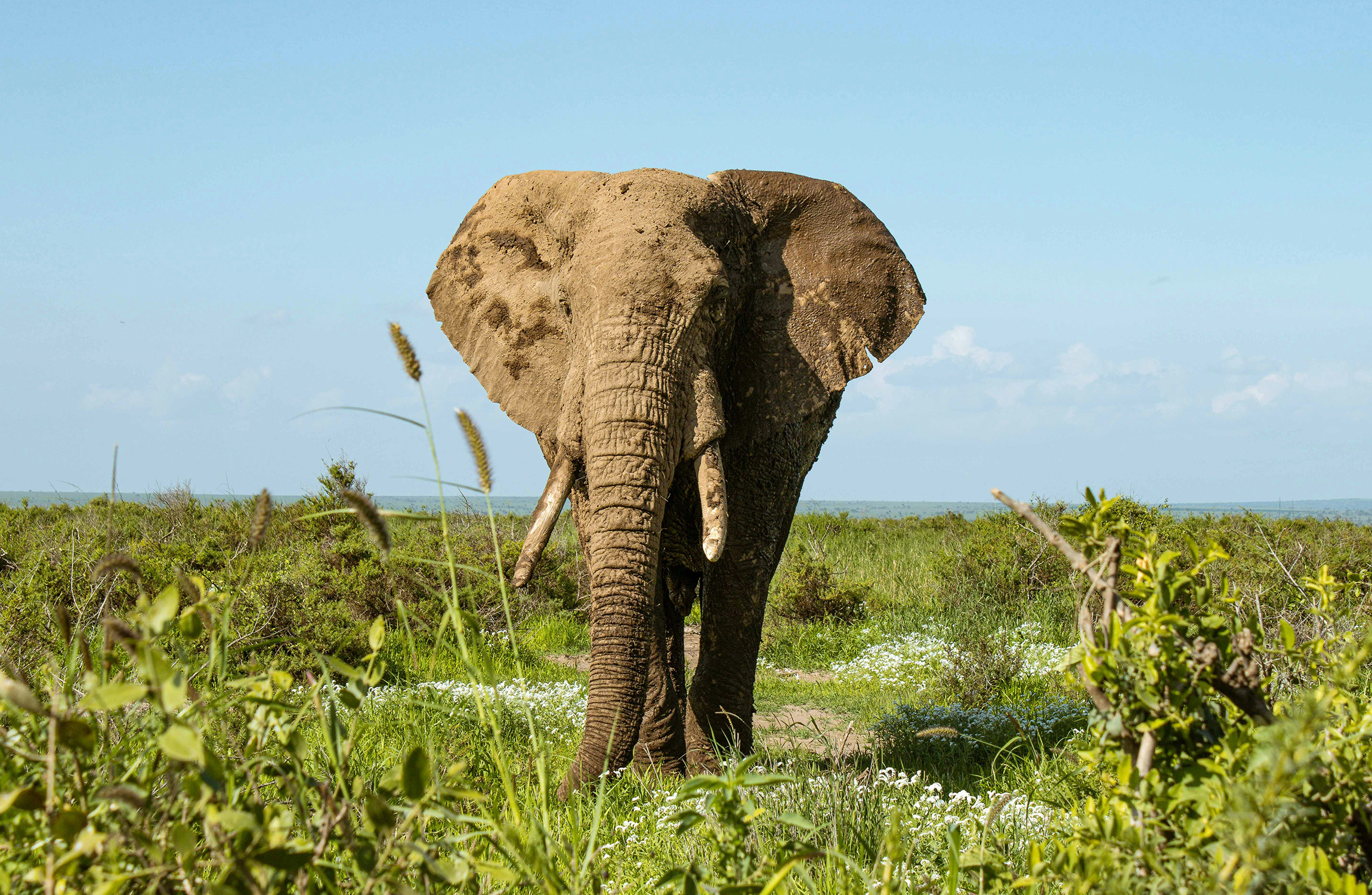
Benefits of a private safari park
The first thing you’re likely to notice is that there are very few other guests – this kind of reserve prides itself on their exclusivity, with the idea being that fewer people visiting will mean less impact on the local environment.
As a guest, you’ll enjoy a more intimate experience, and you may possibly spend hours at a time without seeing another safari vehicle.
Fewer people, fewer rules
Private concessions are able to be more flexible in how they plan and carry out safari activities. Night drives, guided walking safaris and off road driving are generally not permitted in national parks, but these experiences can often be enjoyed in private reserves.
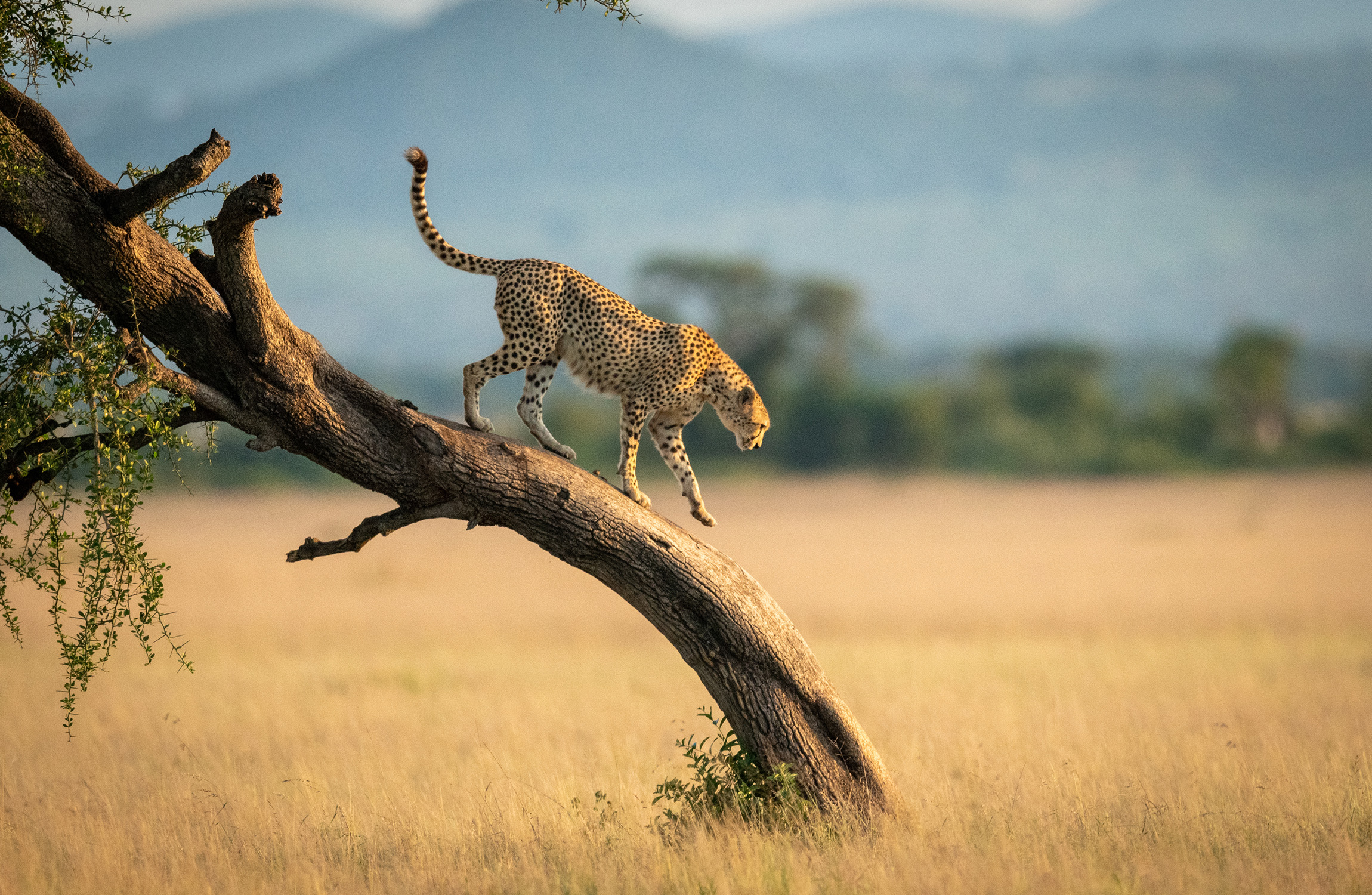
Benefits of a national park
Many of Africa’s most iconic safari landscapes – including the Serengeti in Tanzania, the Masai Mara in Kenya and large parts of Botswana’s Okavango Delta, fall within national parks (also known as wildlife reserves). This means that they can be the best places to go to witness classic moments like the Great Wildebeest Migration or the annual Delta inundation. However, it’s worth noting that the migration passes through both wildlife reserves and private concessions, such is its vast scale.
National parks are intentionally more accessible, with options for both guided and self-drive opportunities. This can result in higher numbers of vehicles at certain key locations, or at certain times of day. That said, the sheer scale of many national parks means there is plenty of space for everybody.
Accommodation options in wildlife reserves typically cover a range of price points, which again brings them within reach of more people. However, the increased numbers of visitors means that more rules are necessary – off-road driving is not permitted, and there are likely to be restrictions on night drives and walking safaris.
The choice is yours: the flexibility, intimacy and luxury of a private concessions (such as the reserves in South Africa’s Sabi Sands or Kenya’s Laikipia region) or the scale, access and iconic vistas offered by Africa’s legendary national parks. Of course, there’s no reason why you can’t combine both in a single African safari vacation – ask us how.