


What Is the Best Time of Year to Go on an African Safari?
As the Journey Beyond Travel team, this is one of the questions we get asked most often. sked. After all, when you are considering something as important as a luxury African wildlife safari, timing matters. The honest answer is that there is no single best month for an African safari. The right time depends on your destination, the wildlife experiences you most want to see, and what kind of ambience you are looking for. As a general rule, the dry season (or winter) across most of southern and East Africa, from roughly May through October, delivers the most reliable game viewing. But the emerald season (or summer) has its own considerable rewards, and certain wildlife spectacles follow a calendar entirely of their own.
TL;DR
- The dry season, roughly May through October across most of southern and East Africa, offers the best overall game viewing, when animals gather around permanent water sources, and vegetation tends to die back, making animals generally more visible.
- The emerald season, typically November through April, brings dramatic scenery, newborn wildlife, and quieter camps. It’s an ideal time to go on safari if you enjoy birdwatching and lush green landscapes.
- Timing (and expert advice) can be particularly important if you have a specific highlight in mind, such as the Great Wildebeest Migration, the Okavango Delta’s annual flood, or calving season in the Serengeti.
- Journey Beyond Travel can match your travel dates and budget to the destinations and experiences that matter most to you for your African safari.
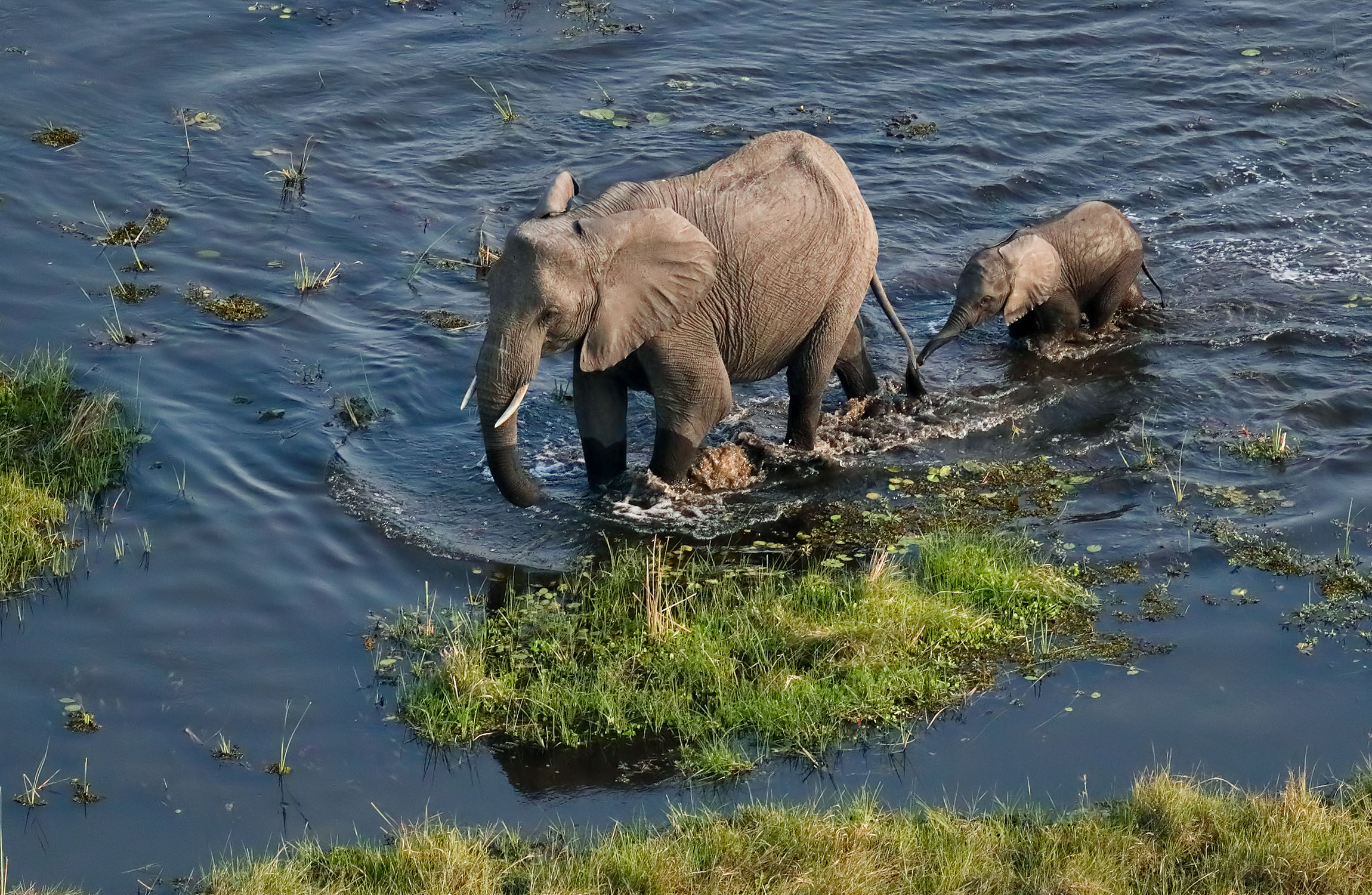
When is the best time of year to go on an African safari?
If this will be your first time on safari, the dry season is probably your best bet. As the months pass with little or no rain, vegetation thins out and water becomes scarce, drawing wildlife toward rivers, waterholes, and permanent water sources. This can make for more consistent game viewing, and also an increased likelihood of seeing different species interact with each other. Days are also generally sunny and warm (but not too hot), and rain is unlikely. However, the dry season is also peak season, meaning safari camps and lodges can have limited availability, and rates are at their highest.
What is the difference between a dry season and a green season safari?
The green season, which runs roughly from November through April across much of Africa, transforms the landscape entirely. Rain refreshes the vegetation, wildflowers appear, and the scenery turns a vivid, almost impossible green. Wildlife disperses more widely, since water is available everywhere, which can make sightings a little less concentrated. It’s also a great time for birders, since migratory species arrive in large numbers. It is also calving season for many antelope species, which brings an abundance of newborn animals and, in turn, more intense predator activity. Camps are quieter, rates are typically lower, and the light for photography can be extraordinary for your African safari.
When should you visit for the Great Wildebeest Migration?
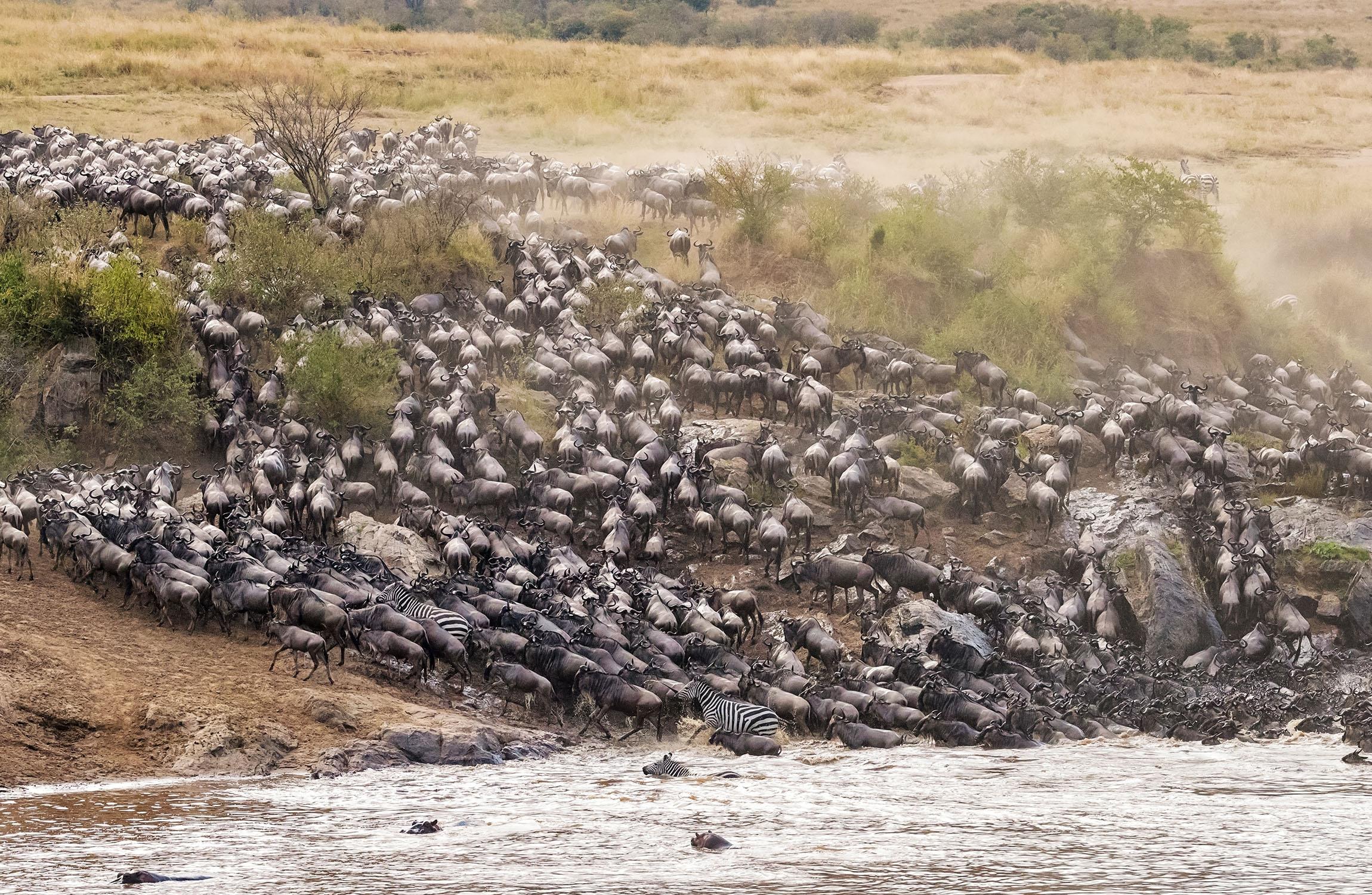
The Great Wildebeest Migration follows an ancient, roughly circular route through the Serengeti and the Masai Mara, and its timing shifts a little from year to year depending on rainfall. The most dramatic river crossings, when the herds cross the Mara River between Tanzania and Kenya, typically take place from July through October. Earlier in the year, from around June, the herds move north through the central and western Serengeti. If witnessing a river crossing is a priority for you, then rest assured that the Journey Beyond team follows the herds’ movements closely each season and will help you time your visit to maximize your chances of being present for one of Africa’s most dramatic spectacles.
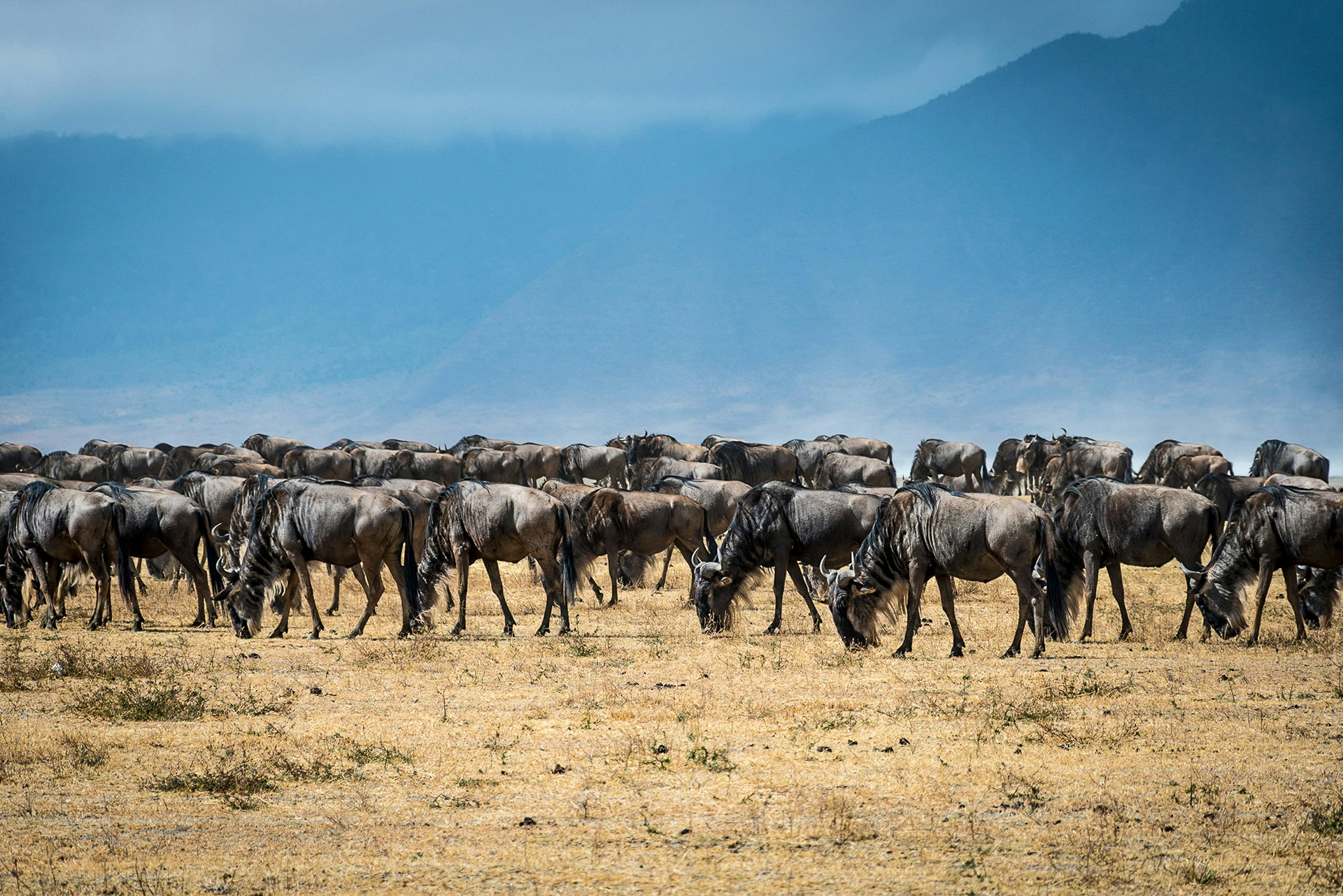
When does the Okavango Delta flood, and why does it matter?
The Okavango Delta in Botswana operates on its own remarkable calendar. Rain that falls in the Angolan highlands during the early months of the year takes several months to travel downstream, arriving in the Delta between roughly June and September, precisely when the surrounding region is at its driest. This annual flood transforms the Delta into a vast, shimmering mosaic of channels and lagoons, drawing wildlife from the surrounding dry lands and creating unmatched game viewing opportunities.
When is calving season in the Serengeti?
From roughly late January through March, the southern Serengeti and the Ndutu region become the stage for one of Africa’s great wildlife events: the wildebeest calving season. Hundreds of thousands of calves are born within a few short weeks, drawing the attention of predators and leading to dramatic game viewing experiences. If you have a particular interest in predator behavior, this window is well worth focusing on.
How does Journey Beyond Travel help you choose the right time to travel for a African safari?
With so many variables at play, from seasonal weather patterns to the specific wildlife event you have your heart set on, choosing the right time to travel can feel overwhelming. This is where the Journey Beyond team’s experience makes all the difference. We track seasonal patterns across our destinations year-round, and we take the time to understand what matters most to you, whether that is a specific migration moment, a quieter and more affordable trip, or simply the best possible chance of extraordinary game viewing. From there, we can recommend not just the destination but the precise weeks that will give you the safari you are dreaming of. We’re also constantly in touch with our network of contacts across Africa, ensuring that we have the latest updates on each destination, from weather patterns to wildlife updates.
Frequently Asked Questions
What is the best month to go on an African safari?
There is no single “best” month, since it depends on your destination and priorities. July through September generally offers the most reliable game viewing across most of Africa, while January through March is exceptional if you want to witness the Serengeti’s calving season.
Is it better to travel during the dry season or the green season?
Both have real advantages when on an African safari. The dry season offers the most predictable game viewing and is ideal for first-time safari travelers, while the green season might be more rewarding for birders, photographers, and can be the perfect choice if you’re looking for quieter safari camps and lodges, and lower rates.
When do the wildebeest cross the Mara River?
The most dramatic river crossings typically occur between July and October, as the herds move north into Kenya’s Masai Mara before returning south later in the year.
What time of year is best for photography on safari?
Many photographers favor the green season for its dramatic skies and lush light, though the golden dust and clear skies of the dry season have their own considerable appeal. The right choice depends on the mood and style you are after.
Can Journey Beyond Travel help me plan my safari around a specific wildlife event?
Absolutely. Our team tracks seasonal wildlife patterns closely and will help you time your trip to align with the specific migration moment, calving season, or flood event you most want to experience.
Ready to plan your perfectly timed African safari?
Whether you are chasing the drama of a Mara River crossing, the wonder of newborn wildebeest on the Serengeti plains, or simply the best possible game viewing for your travel dates, the Journey Beyond Travel team can help you find the perfect window. Contact us today and let’s start planning your ideal African safari.